

A swap interface may ask for an approval before it can trade your token. The approval transaction does not normally send the token anywhere. It changes a permission: a named spender may later move up to a stated amount from the approving address.
That distinction is easy to miss when a wallet compresses several contract calls into friendly buttons. For meme-token buyers, it matters because a permission can remain useful after the screen that requested it has disappeared. The right evidence is not a green check mark. It is the token address, spender address, amount, chain and current allowance.
The four ERC-20 actions answer different questions
The ERC-20 standard separates four relevant functions.
balanceOf(owner) asks how many tokens an address holds. approve(spender, value) sets the amount a spender is allowed to withdraw. allowance(owner, spender) reads the remaining permission. transferFrom(from, to, value) performs a transfer using an authorization established by the token contract.
An approval is therefore capacity, not proof that funds moved. A later transferFrom call can use that capacity if the token balance, allowance and contract rules permit it. An Approval event and a Transfer event also record different actions. Seeing one should not be described as seeing the other.
This is why a suspicious approval is a risk lead, not a completed-loss calculation. To establish a loss, an investigator still needs the transfer, destination, amount and transaction outcome.
The spender is the address that receives the power
Approval interfaces often emphasize the application’s name. The on-chain permission belongs to an address. It may be a router contract, a vault, a marketplace or another contract selected by the application.
Before approving, record both contract identities:
- The token contract whose balance can be moved.
- The spender contract that will be allowed to call the spending path.
Then record the chain. The same-looking application name or token symbol on another network does not make the addresses equivalent. A screenshot that hides the full spender address removes the most important fact needed for later verification.
The standard permits an approval to be replaced by calling approve again with a new value. ERC-20 also warns interface designers about changing a nonzero allowance directly to another nonzero value and recommends setting it to zero first. That warning is a property of the approval workflow, not proof that every token or interface handles the sequence correctly.
“Unlimited” usually means a very large numeric allowance
Some applications request a maximum-sized value so the user does not need a fresh approval before every interaction. That may reduce transaction friction, but it also increases the amount a spender could attempt to move while the allowance remains available.
The word unlimited is interface shorthand. The on-chain record contains a number. A useful review captures that raw value and compares it with the current token balance. If the allowance is far above the balance, the exposure can grow when more of that token later enters the wallet.
Reducing or revoking an allowance normally means submitting another state-changing transaction to the token contract, often setting the spender’s allowance to zero. A wallet display that removes a site connection is not necessarily the same operation. Connection permission and token-spending permission should be checked separately.
A signature can create the approval later
Not every approval begins with an approve transaction sent directly by the token holder. ERC-2612 defines permit, which can set an allowance from a signed message. A relayer can submit that signature to the token contract.
The signed data includes the owner, spender, value, nonce and deadline, plus a domain that should bind the message to a particular contract and chain. If the checks pass, the contract sets the allowance and emits an Approval event.
This creates an important wallet-safety rule: “It was only a signature” does not mean “It could not authorize token spending.” The signature itself may not transfer funds, but it can authorize a later transferFrom. The deadline limits how long a permit remains usable, while the nonce prevents the same valid permit from being reused after it has been consumed under the standard.
ERC-2612 also notes that the relaying party can choose whether to submit a signed permit. A user should not infer that an allowance exists merely because a signature was requested. The current contract state and transaction history show whether it was actually submitted.
Read the evidence in the right order
For a suspicious meme-token approval, use this sequence:
| Check | What it establishes | What it does not establish |
|---|---|---|
| Token address and chain | Which contract owns the allowance record | Whether the token is valuable or legitimate |
| Spender address | Which address can attempt the delegated spend | The real-world identity of its operator |
| Approval amount | The numeric spending limit at that observation time | That any transfer occurred |
| Current allowance | Permission still available now | The full history of earlier allowances |
| Transfer events and transaction receipts | Whether tokens moved and whether the call succeeded | Who ultimately controls every destination wallet |
| Permit fields | What a signed approval authorizes and when it expires | Whether the permit was submitted on-chain |
Time belongs in the worksheet. A current zero allowance does not prove there was never an earlier spend, and an old approval event does not prove the full amount remains available. Subsequent approvals and spending can change the state.
The practical rule for meme-token apps
Treat every approval as a scoped delegation. Read the token, spender and amount before signing. Use a short deadline when a permit supports one. Prefer the smallest amount that fits the intended action when the interface allows it. After using an unfamiliar application, verify the current allowance from the token contract’s state and revoke permissions you no longer need.
None of these steps proves that an application is safe. They make one risk legible. Contract upgradeability, malicious token behavior, liquidity control and deceptive interfaces require separate checks.
Continue with how to read token launch signals, how contract permissions differ on Solana and the liquidity versus market-cap guide. The EthereumMax case shows why promotional trust and contract evidence must also stay separate.
Sources and reporting notes
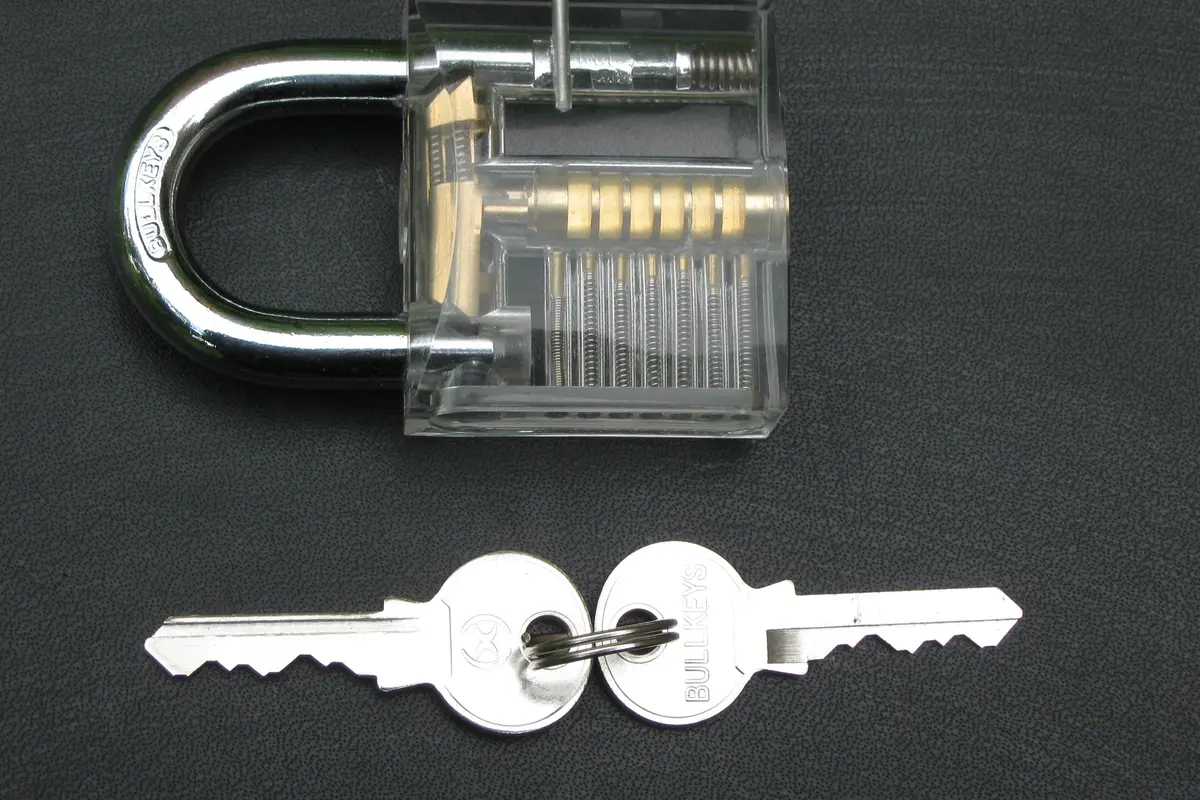
Original AI-assisted educational analysis. The ERC-20 and ERC-2612 specifications support the function behavior described above. The checklist and examples are Dev.Cooking’s explanatory framework, not a security guarantee, wallet audit or legal advice. zaphad1’s real June 16, 2016 photograph is licensed CC BY 2.0 and is used as a mechanical analogy only. It was cropped, resized and converted to responsive WebP files. Corrections: Hello@dev.cooking.