

A meme coin can show a price without offering the same kind of market behind it. On one venue, buyers and sellers place orders at chosen prices. On another, traders exchange assets against a pool whose reserves and formula determine the quote. A third layer, the token contract, may decide whether a transfer can happen at all.
Calling all three situations “liquidity” hides the evidence that matters. Before interpreting a chart, identify the market structure, exact pair, route, requested size and observation time.
What an order book shows
An order book lists open buy and sell instructions. Coinbase’s product-book documentation distinguishes three views: level one returns the best bid and ask, level two aggregates available size at each price, and level three exposes nonaggregated orders.
The best displayed bid answers a narrow question: what price is currently offered for the first available quantity? It does not promise that a larger sale will receive that price. A larger market order can consume the best bid and continue into lower bids. That gap between the first quote and the average execution price is slippage.
For evidence, record more than the headline spread. Save the market symbol, exchange, timestamp, book level, side, visible price levels and size being evaluated. A screenshot without those fields may look persuasive while remaining impossible to reproduce.
What an automated market maker shows
Uniswap’s explanation says its protocol uses an automated market maker instead of an order book. A liquidity pool holds reserves of two assets, and swaps trade against those reserves. In the constant-product model, the reserve relationship is described by x * y = k. A trade changes the reserve balance, so a larger input relative to the pool moves the price further.
There is no stack of individual bids to consume. The quote comes from the pool state, swap fee and route. A router may also pass through intermediate assets or split a transaction across pools. That means “the token price” is incomplete evidence unless the pool address and path are known.
For a pool-based quote, record the chain, token contracts, pool or route, input amount, expected output, minimum output, fee tier where applicable, block or timestamp and whether the result was only simulated. A quote is not a completed sale. Pool reserves, competing transactions or token behavior can change before execution.
Size changes the answer in both systems
Consider a hypothetical token with a displayed price of one dollar. Selling ten units may touch only the top order-book bid or make a negligible change to a deep pool. Selling ten thousand units can cross many book levels or move the pool ratio sharply. The same reference price leads to different proceeds because trade size meets different available depth.
This example is deliberately hypothetical. It is a method for asking better questions, not evidence about a particular token and not a recommendation to execute either trade.
The practical comparison is a size ladder. Request indicative outputs for a small, medium and larger amount under the same timestamp and route conditions. Label failed quotes and simulations accurately. Do not present the most favorable small quote as if it applied to an entire wallet.
Token logic is a separate gate
Market structure cannot override the token contract. A pool may contain assets and a router may calculate an output, yet the transaction can still revert if the token blocks transfers, taxes a route unexpectedly or requires another condition.
The historical SQUID whitepaper makes the distinction unusually clear. It described selling credits and a Marbles requirement in addition to a PancakeSwap pool. Those rules were not merely a shallow pool producing bad execution. They were project-level conditions on whether a holder could sell. The SQUID Meme Autopsy separates those disclosed restrictions from Binance’s later account of the liquidity drain.
A successful purchase also does not prove a successful sale. Buying and selling call different transfer paths and may face different controls. When investigating a suspected honeypot, preserve the exact contract and route, inspect verified source and current permissions, and treat a small successful test as evidence only for that size, time and path.
Evidence checklist
| Question | Order book | Liquidity pool |
|---|---|---|
| What market is this? | Exact exchange and product symbol | Chain, token contracts and pool address |
| What creates the quote? | Open bids and asks | Reserves, formula, fees and route |
| What does size change? | Number of price levels consumed | Reserve ratio and price impact |
| What should be saved? | Timestamp, depth level, prices and quantities | Block or timestamp, route, input, expected and minimum output |
| What can still block execution? | Order cancellation, market movement, venue controls | State changes, slippage limit, router or token restrictions |
| What does one quote prove? | Available displayed depth at that observation | Indicative output for that route and state |
A disciplined conclusion
Use language that matches the record. “The best bid was X for Y units at this time” is stronger than “there was liquidity.” “The router returned this output for this route and size” is stronger than “the token was sellable.” If the attempt failed, retain the error and avoid guessing whether the cause was pool depth, routing, permissions or token logic until evidence separates them.
Pair this guide with market cap versus exit liquidity, the token-launch evidence checklist, Pump.fun’s custom-pair routing change and the meme-coin learning hub.
Reporting and image notes
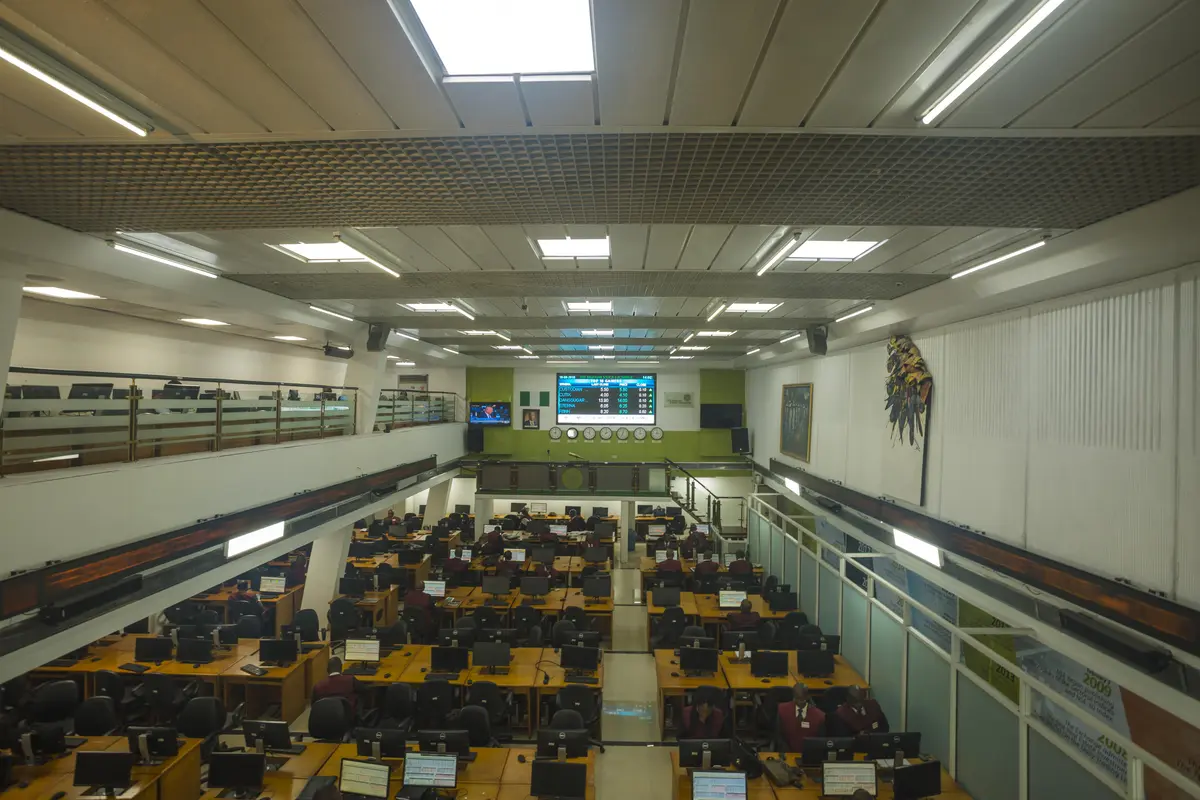
Original AI-assisted educational analysis based on Uniswap’s protocol explanation, Coinbase’s product-book documentation and the archived SQUID whitepaper. Hypothetical examples are labeled and no live market claim or investment recommendation is made. The cover is S.aderogba’s 2018 photograph of a stock-exchange trading floor. It is order-driven market context, not a crypto exchange, a decentralized pool or execution evidence. The exact Wikimedia Commons file page identifies the image as the creator’s own work under CC BY-SA 4.0. The photograph was cropped, resized and converted to responsive WebP files, and the adaptation is shared under the same license.