
BEFORE YOU CONNECT
Security & wallets
38 original articles · News, research & explainers
Start with the right question.
Security stories often start with a broad word such as hack and end with a much narrower failure. This collection follows that narrowing process. A reseller investigation, a bridge configuration problem and a token approval are different situations with different evidence and different actions for readers. Read the source institution’s current instructions before acting on an old summary. For an individual transaction, separate the network, the asset, the application and the authority you are granting. A wallet can display a familiar name while the transaction interacts with a different contract. An approval can authorize spending later without moving tokens now. A bridge can complete one part of a route while leaving a separate destination dependency unresolved. Our reporting identifies what has been confirmed and what remains alleged; our guides explain the underlying permission and infrastructure models. Neither a clean headline nor one completed technical check establishes that every layer is safe.
The Token Address Stayed the Same. Who Can Change Its Code?
A meme token can keep its address while a proxy changes the implementation behind it. Trace the upgrade route, controller and block-specific evidence before relying on an old review.
Successful Is Not Safe: Read an EVM Transaction Receipt in Five Layers
A transaction hash is only the start. Separate the signed envelope, execution status, logs, token-transfer decoding and call trace before drawing conclusions.
Meme Autopsy #15: BALD’s Liquidity Exit Was Onchain; Its Deployer Identity Was Not
BALD’s 2023 Base collapse left a reproducible liquidity-removal receipt, but the public chain record did not identify the person behind the deployer key.

A First-Block Buyer Is Evidence of Speed, Not Identity
An early Solana buy can prove timing and execution. Learn what it cannot prove, how to reconstruct launch order and what evidence supports an insider link.
Meme Autopsy #14: HAWK’s Launch Is Now a Pending Federal Case
The HAWK launch moved from a viral-token collapse into pending federal litigation. Here is what the chain record, launch analysis and amended complaint actually establish.
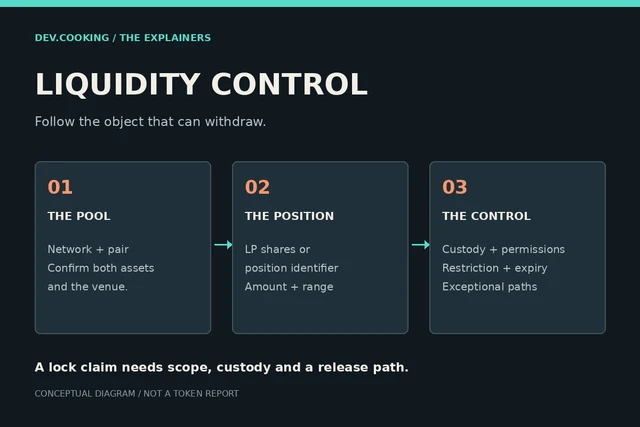
Locked Liquidity? Identify the Position That Can Actually Withdraw
A lock badge needs a pool, a position and a control path. Follow LP shares, concentrated-liquidity positions, expiry and coverage before interpreting a meme token's liquidity claim.
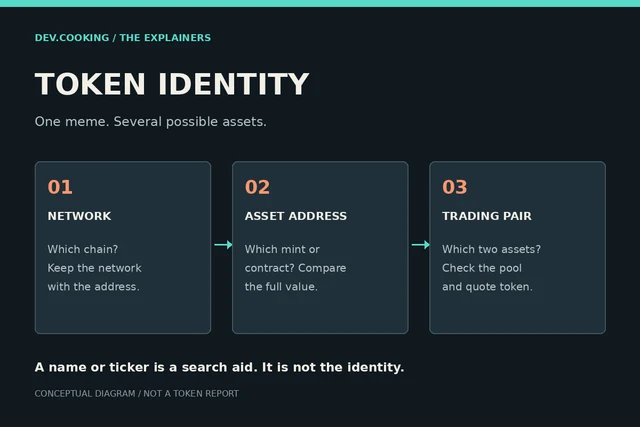
Same Ticker, Different Token: Build an Identity Check Before You Trade
A familiar meme name can point to unrelated assets. Learn how to verify network, mint or contract, project source and trading pair before interpreting a chart.

Meme Autopsy #13: SQUID’s One-Way Market and Liquidity Drain
SQUID’s own rules constrained selling before the 2021 liquidity drain. The archived whitepaper, contract record and Binance account show separate layers of risk.
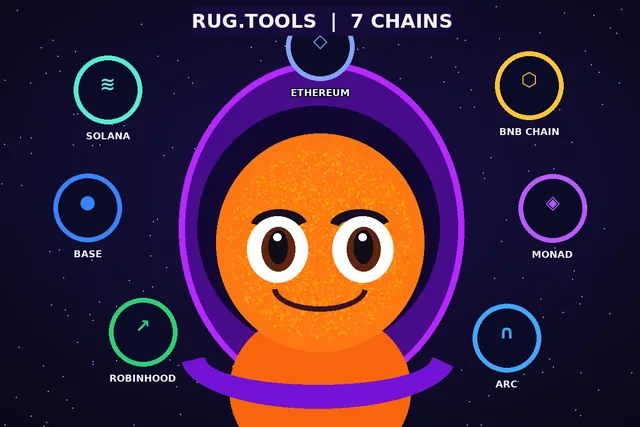
Crypto Has a Scam Problem. Rug.Tools Wants to Make It Harder for Scammers to Hide.
With free token risk scans across seven blockchain ecosystems, Rug.Tools is betting that better on-chain intelligence can help people ask the right questions before buying.
Bubblemaps Adds Anglio Allegation to Pump.fun’s Callout Rewards Dispute
Bubblemaps alleges another caller-linked wallet cluster traded around Pump.fun recommendations. Its estimates remain unverified as reward rules change.
Renouncing a Token Contract Does Not Rewrite Its Launch
Ownership renunciation can disable privileged contract functions. It cannot erase earlier transfers, prove a fair launch or identify who controls the largest wallets.
Meme Autopsy #12: Kishu Inu’s Fair-Launch Claim in an Indictment
A federal indictment challenges Kishu Inu’s 2021 fair-launch story. The contract, marketing claims and alleged founder allocations are different layers of evidence.
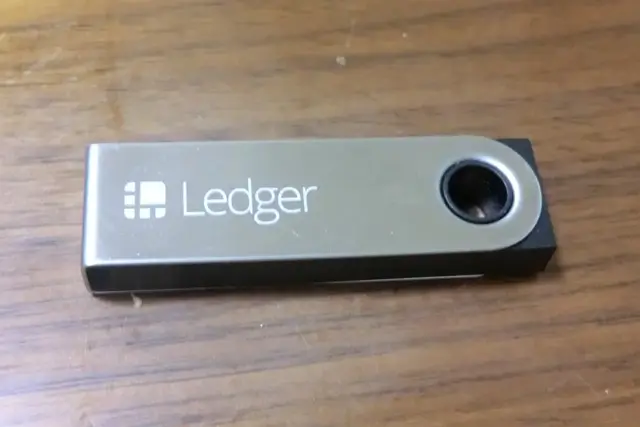
Ledger Says CryptoBilis Implant Read Recovery Phrases and Sent Them Over LTE
Ledger says an implant read recovery words from a signer's screen and sent them over LTE. The mechanism is clearer, but the affected inventory and tampering path remain unresolved.
Pump.fun Documents Nested Pairs. Its Help Page Still Says One Hop
Pump.fun’s October 13 developer update permits depth-2 quote chains, while its help page retains a one-hop rule. Traders must distinguish docs from app access.
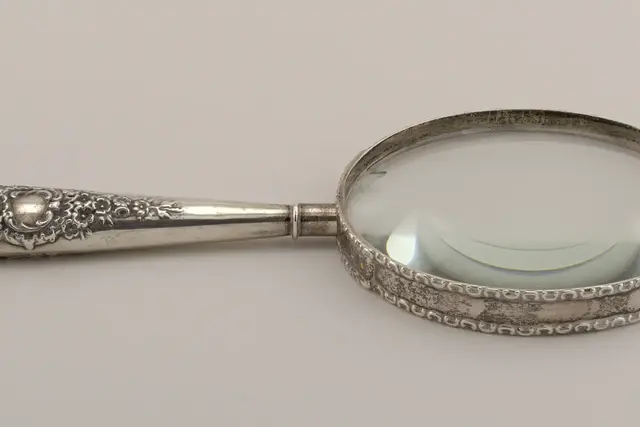
A Token Holder List Counts Addresses, Not People
A top-holder table shows balances at addresses or token accounts. Learn how exchanges, pools and Solana account structure can distort a simple whale reading.
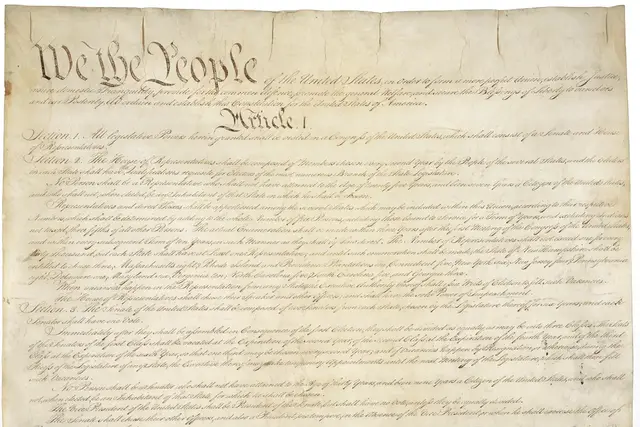
Meme Autopsy #11: What PEOPLE Meant After ConstitutionDAO Closed
ConstitutionDAO raised more than $40 million and lost the auction. Its own records explain why PEOPLE survived without representing a share of the document or an active DAO.
Pump.fun Adds Arkham Wallet Labels, but a Label Is Not a Verdict
Arkham labels are now inside Pump.fun's trading terminal. They add wallet context at the point of trade, but attribution still needs transaction-level verification.
$LAPTOP Report Shows How a $6 Buy Could Move Its Opening Quote 5%
A commissioned forensic report says LAPTOP opened with a severe liquidity imbalance. It maps the mechanics and linked gains, but does not identify the firms or establish intent.
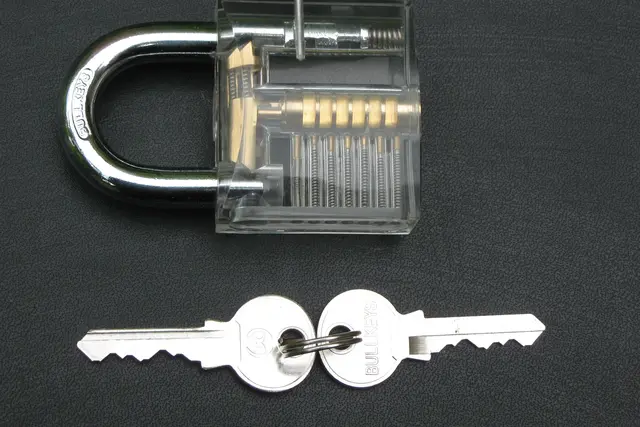
Token Approval Is a Spending Limit, Not a Transfer
An ERC-20 approval can let a contract spend tokens later. Learn how approve, allowance, transferFrom and signed permits fit together before connecting to a meme-token app.
Meme Autopsy #10: The Payments Behind EthereumMax’s Celebrity Posts
Two SEC orders put numbers behind EthereumMax’s celebrity promotion: $250,000 in cash for one post and about $244,116 in tokens for another campaign.
Abstract Is Shutting Down. PENGU Holders Need to Check the Chain, Not the Ticker
Abstract will close on December 15. The key question for PENGU holders is where each asset actually lives, because a familiar ticker does not identify a chain.
SKALE Links Its IMA Bridge Exploit to Exposed Validator Ports
A new SKALE update says public exposure of internal validator services enabled the August IMA Bridge attack. The bridge remains paused and final losses remain undisclosed.
Solana DvP Is Open Source, but Institutional Use Still Needs Proof
Solana Foundation released audited atomic-settlement code with J.P. Morgan input. The code is public; production adoption is not yet documented.
CFTC’s New Crypto Market Plan Stops Short of Ordinary Meme-Coin Spot Trading
The proposal targets leveraged retail crypto trades, not every spot meme-coin purchase. Here is what it could change and what it cannot prove.

Meme Autopsy #9: The LP Tokens Behind SafeMoon’s ‘Locked Liquidity’ Claim
SafeMoon marketed locked liquidity as protection from a rug pull. The overlooked control layer was the LP tokens that could release it.
Meme Autopsy #8: What the Musk Dogecoin Lawsuit Failed to Establish
A two-page order ended the Musk Dogecoin case. It rejected the pleaded theory, but it did not perform the wallet investigation many headlines implied.

Meme Autopsy #7: What FLOKI’s London Ad Put in Small Print
FLOKI bought mass attention with four words on London transit. The regulator’s record shows why a warning in small print did not cancel the headline’s promise.
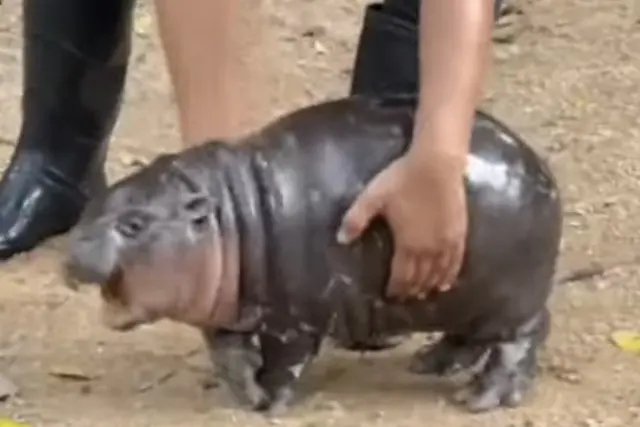
Meme Autopsy #6: Moo Deng Had a Name Before MOODENG Had a Contract
The zoo named a real hippo. A separate Solana project used the same fame. The receipts show the difference between a meme, a mint address and an authorized relationship.

Meme Autopsy #5: What Survived LIBRA’s Deleted Post
The $LIBRA post disappeared in hours. A contract address, official files, a freeze request and a dismissed U.S. case show what the record proves and what it still does not.
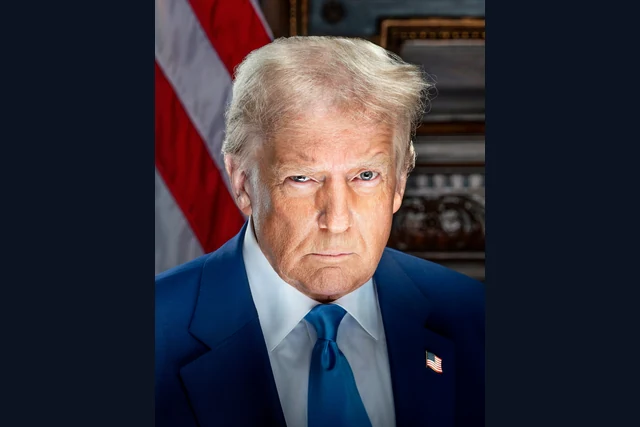
Meme Autopsy #4: The Fine Print Behind TRUMP’s Dinner Leaderboard
TRUMP’s dinner promotions turn token holdings into a competition for invitations. Our case follows the dated records, current rules and gaps a wallet ranking cannot resolve.
Top 5 Token Contract Scanners: Why Rug.Tools Is Our First Pick for Meme Research
Compare Rug.Tools, RugCheck, Token Sniffer, GoPlus and Honeypot.is for meme-token research. Our ranked shortlist explains each tool's strengths and limits.

Meme Autopsy #2: BONK’s Christmas Gift and the Allocation Math That Needs Explaining
BONK made distribution part of its meme. We compare the Christmas-launch story with the allocation documents and identify a discrepancy that needs records, not accusations.

Meme Autopsy #1: The Dogecoin Joke That Bought a NASCAR Seat
A dog photo became a currency, then a racing sponsorship. Our first case follows the receipts and separates a real community achievement from borrowed credibility.

Smart Wallets Need Better Permission Screens, Not Just Fewer Clicks
EIP-7702 and ERC-4337 provide useful primitives; product teams still have to explain the authority a user grants.
Solana Account Ownership Is Not the Same as Token Authority
A practical guide to reading owner fields, signing authority and mint controls without mixing their meanings.
Ethereum’s Transaction Assertions Proposal Puts Outcomes at the Center
Today’s Ethereum Foundation research asks a better wallet question: what must still be true after a transaction executes?

Security Signals Every Token Buyer Should Understand
How to separate observed permissions, reviewed code and unresolved evidence when reading a token risk report.

How to Read a Token Launch Without Getting Cooked
Build a launch timeline that separates token mechanics, market activity and claims about who controls the supply.